Understanding
Polymyalgia
Rheumatica
Your comprehensive guide to understanding PMR — from symptoms and diagnosis to treatment and living well with this condition.

Get More Resources
Subscribe to our mailing list for the latest PMR insights

Understanding Polymyalgia Rheumatica
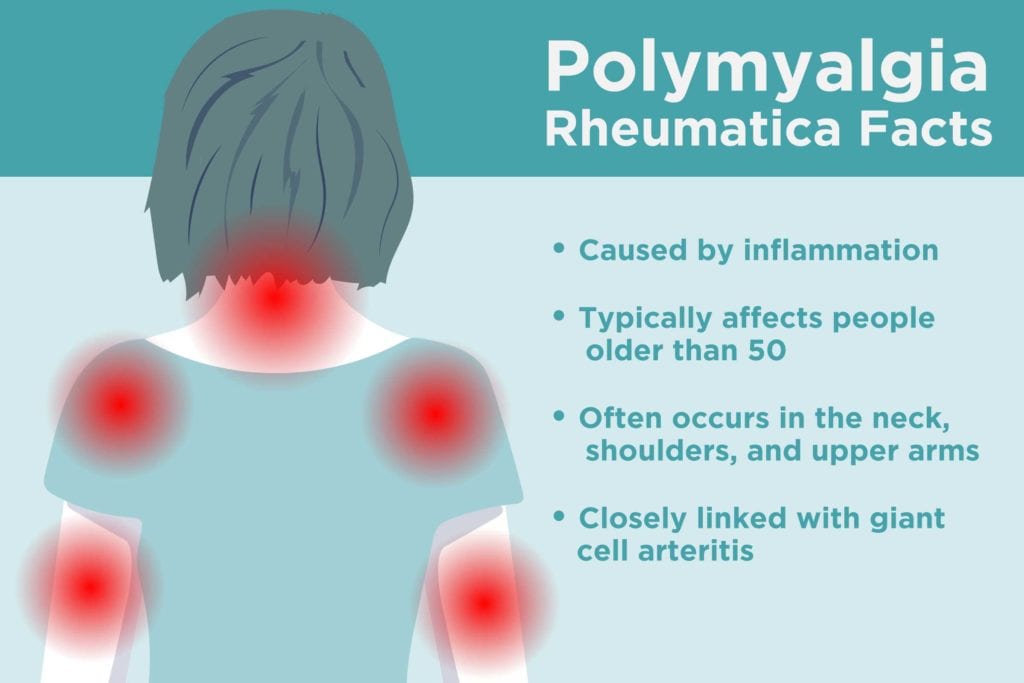
Polymyalgia rheumatica, or PMR for short, is a condition that causes pain and stiffness, especially around the shoulders, neck, hips, and thighs. This discomfort often feels like muscle pain, but it is actually caused by inflammation in the tissues around the joints.
PMR is not caused by injury or overuse. Instead, it is an inflammatory condition thought to involve the immune system, although the exact cause is not fully understood.
Recognizing the Signs of PMR
PMR typically affects adults over 50. Recognizing these symptoms early can lead to faster diagnosis and relief.
Muscle Pain & Stiffness
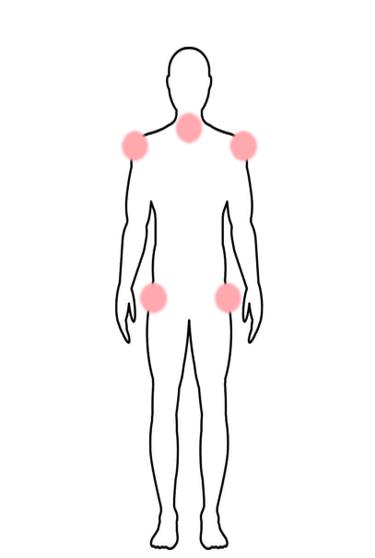
Aching and stiffness in the shoulders, neck, upper arms, hips, and thighs, typically worse in the morning.
More About This Symptom
This discomfort often affects both sides of the body and may make it harder to get dressed, lift items, or move comfortably after resting for a while.
Morning Stiffness
Pronounced stiffness lasting 30 minutes or more after waking, making everyday tasks difficult.
More About This Symptom
Morning stiffness can be one of the clearest PMR signs and may ease gradually as the day goes on, especially once the body is moving.
Fatigue
Persistent tiredness and a general feeling of being unwell that doesn't improve with rest.
More About This Symptom
Fatigue may feel physical and mental, reducing stamina for daily routines and sometimes appearing alongside poor sleep or reduced appetite.
Limited Range of Motion
Difficulty raising arms above shoulder height or getting up from a seated position.
More About This Symptom
People with PMR may notice trouble brushing hair, reaching shelves, standing up, or getting in and out of bed because movement feels restricted and painful.
Unintended Weight Loss
Some patients experience mild weight loss and loss of appetite alongside other symptoms.
More About This Symptom
This can happen when inflammation affects overall wellbeing. Even mild appetite changes can matter when they occur together with pain, stiffness, or fatigue.
Mild Fever
Low-grade fever and general malaise may accompany the musculoskeletal symptoms.
More About This Symptom
A mild fever is less common than pain and stiffness, but it can be part of the broader inflammatory picture and may occur with feeling run down or achy.
Important Disclaimer
The information and resources on this page are for educational purposes only and are not a substitute for professional medical advice, diagnosis, or treatment. If you have questions or concerns, please consult your healthcare provider.
Practical resources for living with PMR
Explore easy-to-read guides covering treatment, flares, daily life, lifestyle changes, work, and more.
Get free access to the full guide library
Enter your email below, then choose the guides you'd like to download.
Your email is used to provide access to these resources.
Choose the resources you'd like to download
You now have access to the full PMR guide series.
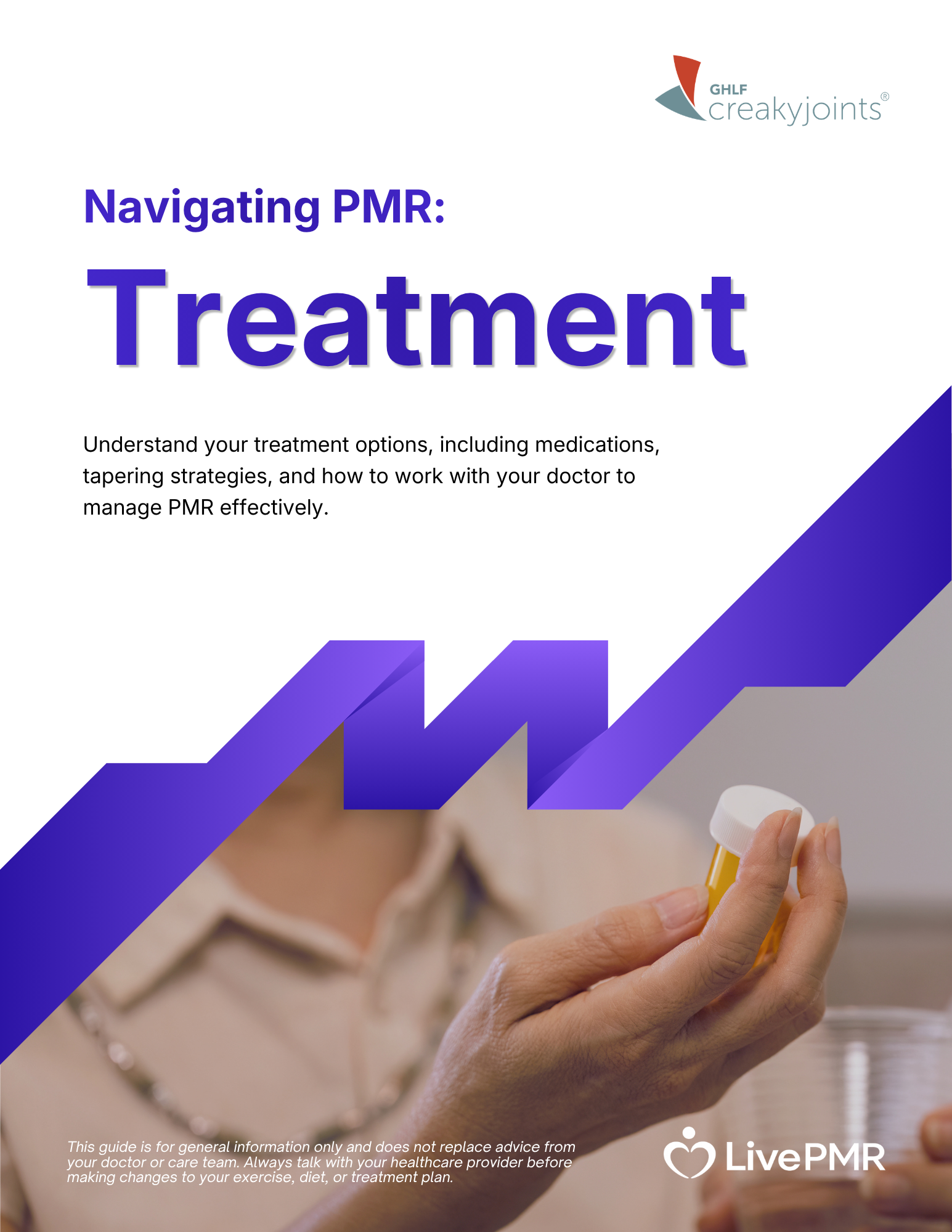
Treatment
Learn about common PMR treatments, prednisone, tapering strategies, and what to expect over time.
Download Treatment Guide
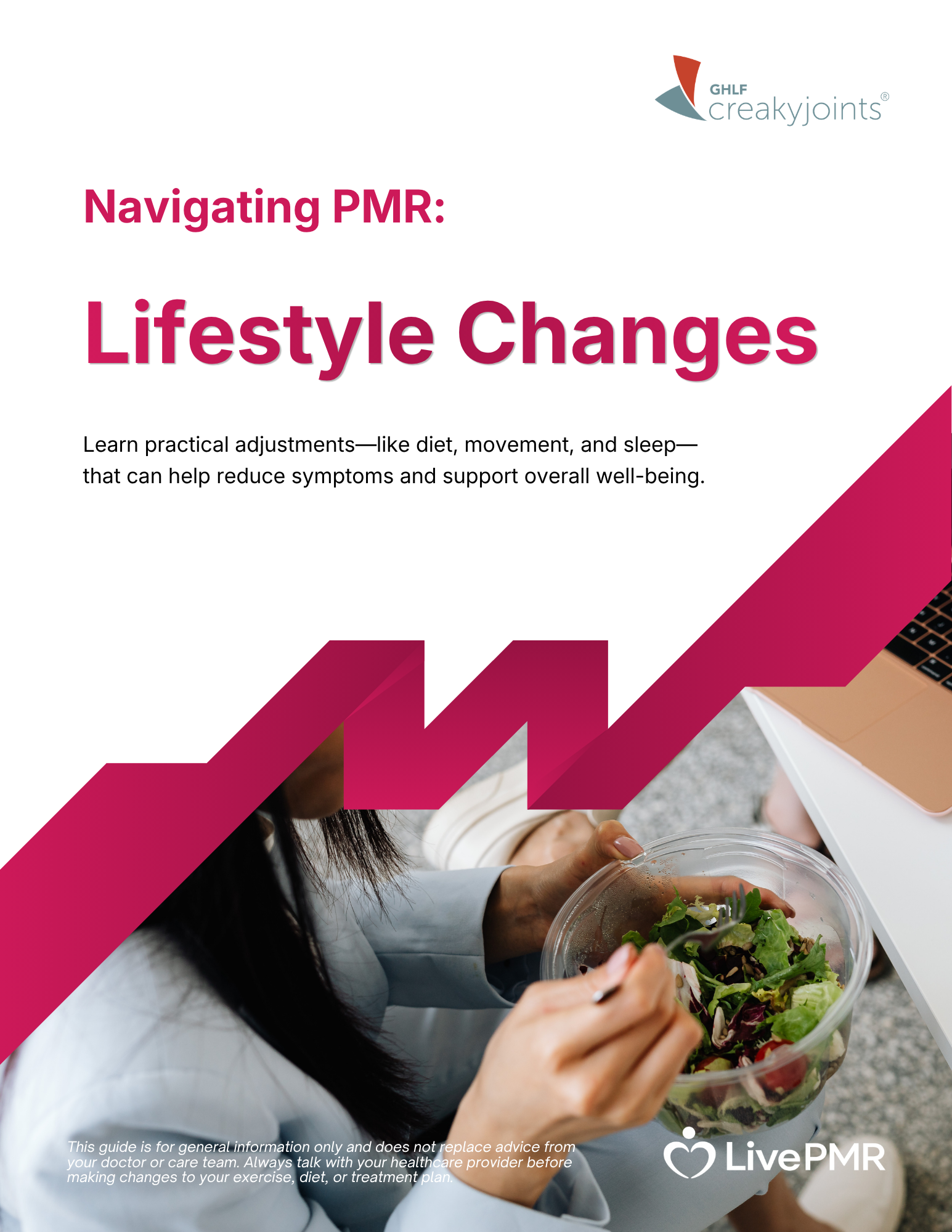
Lifestyle Changes
Explore diet, movement, sleep, and daily habits that may support your health while managing PMR.
Download Lifestyle Guide
Flares
Understand PMR flares, warning signs, and steps that may help you respond when symptoms change.
Download Flares Guide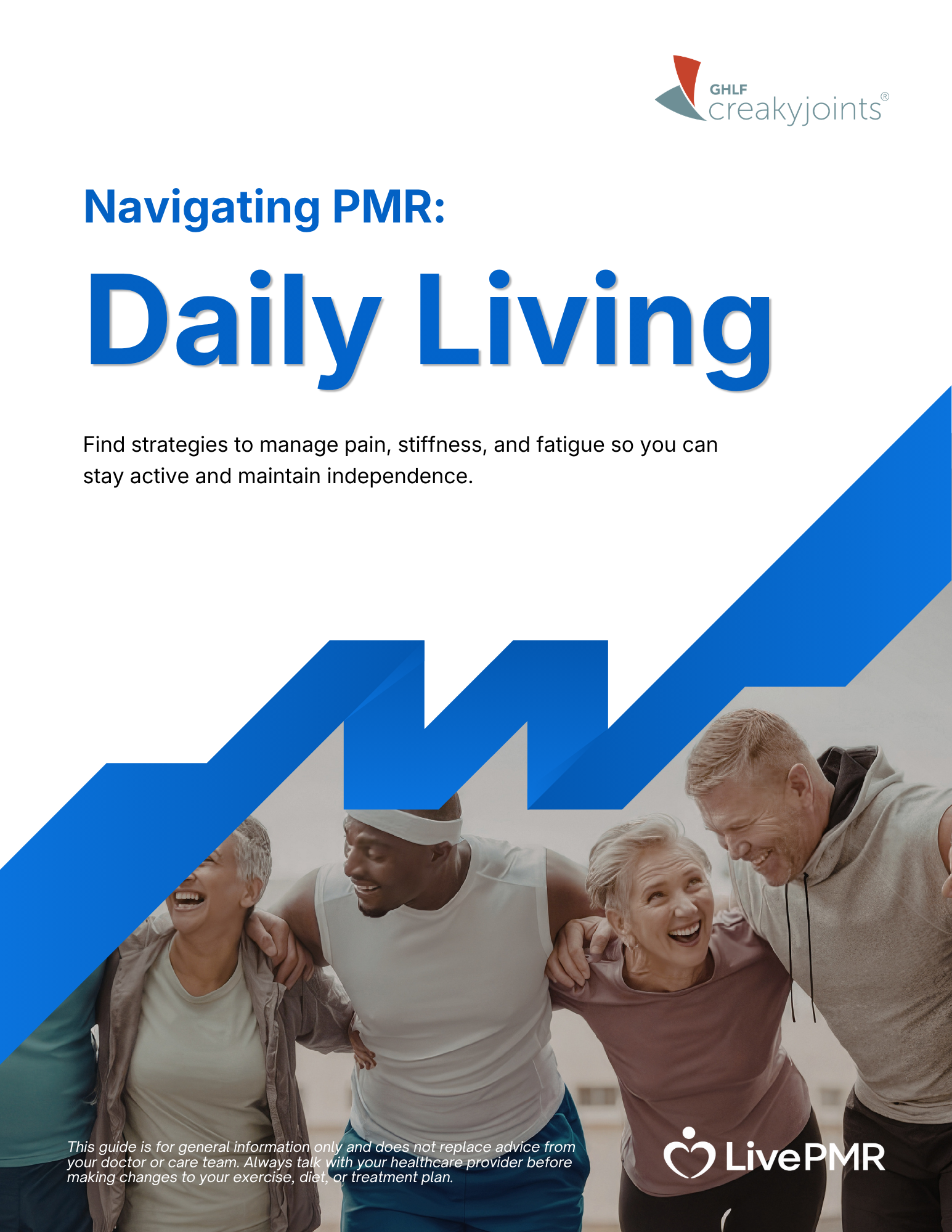
Daily Life
Find practical tips for managing stiffness, fatigue, daily tasks, comfort, and independence.
Download Daily Life Guide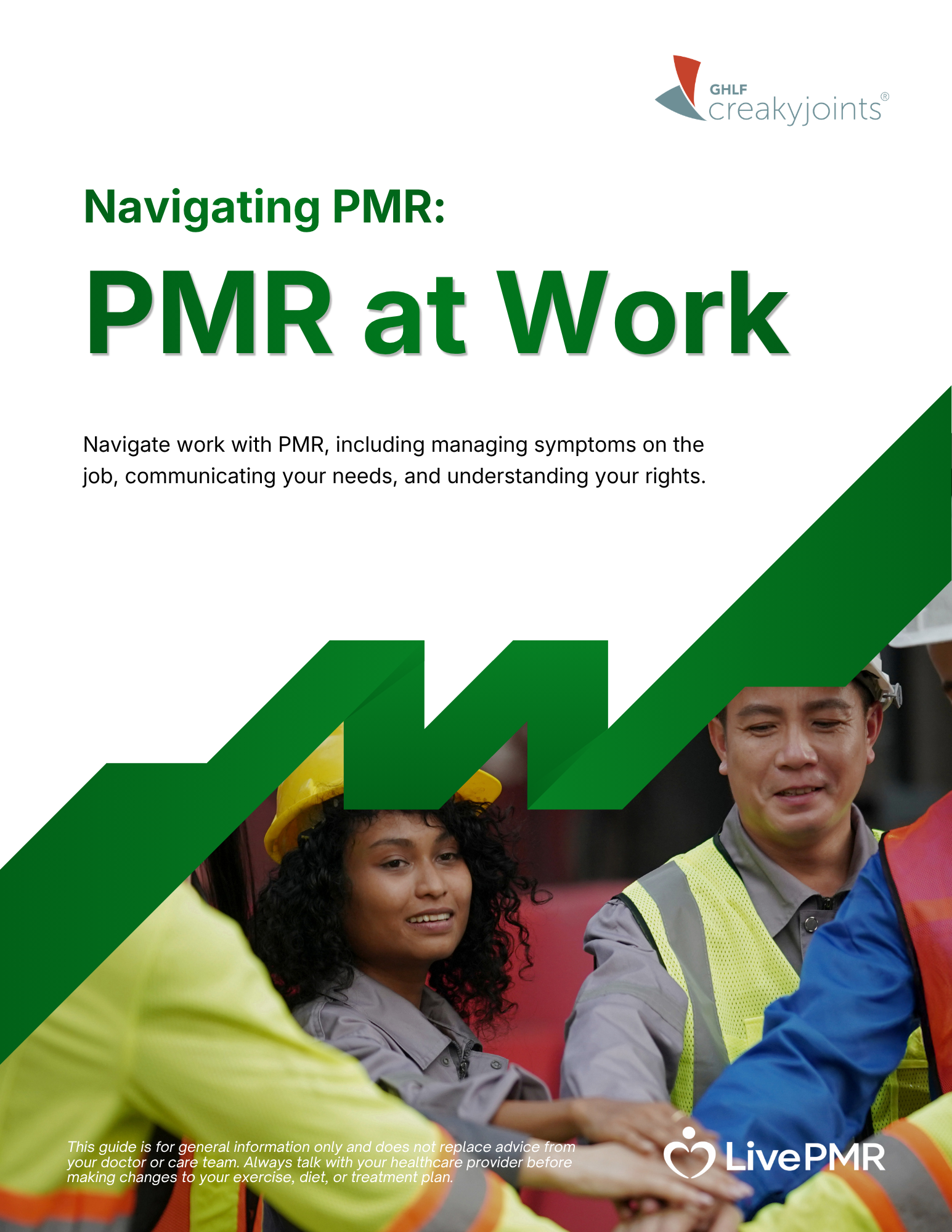
PMR at Work
Guidance for balancing work responsibilities with PMR, including communication and workplace adjustments.
Download Work Guide
All Guides
Get the entire PMR guide series in one convenient bundle to read, print, save, or share.
Download All GuidesExplore What's Inside Each Guide
Five practical, easy-to-read resources designed to help you better understand, manage, and live well with PMR.
Treatment
Learn about common PMR treatments, including prednisone, tapering strategies, and what to expect over time.
Tap to flip back
Lifestyle Changes
Explore diet, movement, sleep, and daily habits that can help support your health while managing PMR.
Tap to flip back
Flares
Understand what PMR flares are, how to recognize warning signs, and what steps may help you respond.
Tap to flip back
Daily Life
Find practical tips for managing stiffness, fatigue, daily tasks, comfort, and independence.
Tap to flip back
PMR at Work
Guidance for balancing work responsibilities with PMR, including communication and workplace adjustments.
Tap to flip backArticle Library
Explore our library of articles to learn more about PMR from a variety of perspectives. You'll find helpful information on understanding symptoms, getting an accurate diagnosis, treatment options, including steroid management, and strategies for daily wellness.




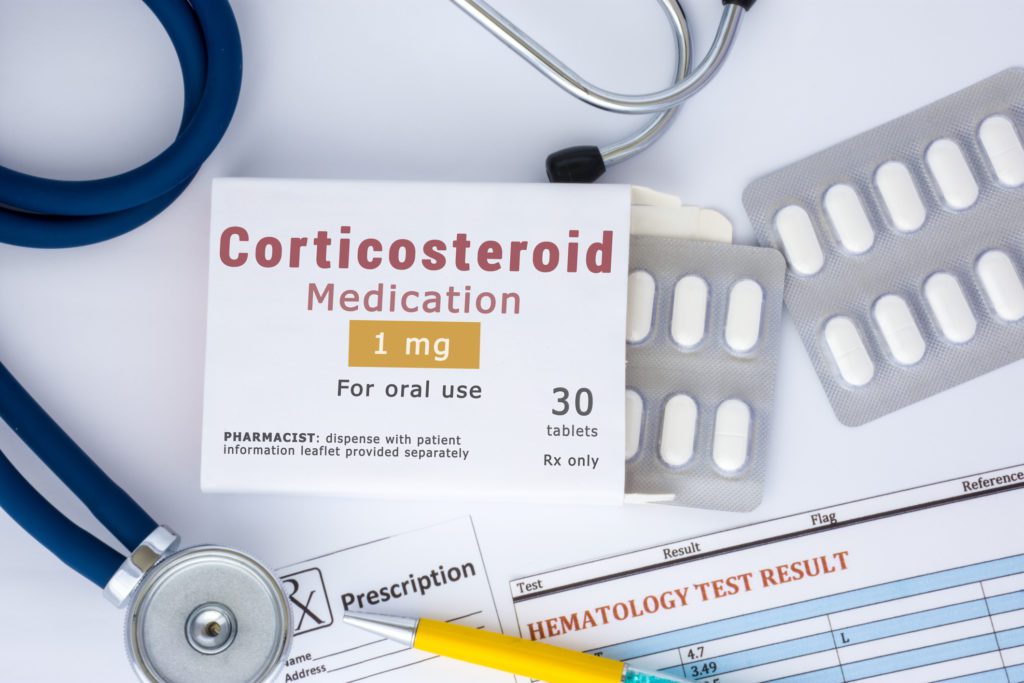
Learn About PMR Through Expert & Patient Videos
Hear directly from rheumatologists about diagnosis, treatment, and managing symptoms, and learn from patients who share their experiences living with PMR.

Understanding PMR: An Introduction
What is PMR and who does it affect?

Early Diagnosis, Safer Treatment, Better Lives
Learn how PMR is treated and what to expect during care.

Closing Gaps in Diagnosis and Disease Monitoring
Explore current challenges and emerging strategies in PMR diagnosis and management.
Osteoporosis Resource
Bone health is especially important for people with PMR, as treatments like steroids can increase the risk of osteoporosis. Learning how to protect your bones can help you stay active and prevent fractures. Explore Strong Bones and Me for practical tips, resources, and guidance.
Strong Bones and Me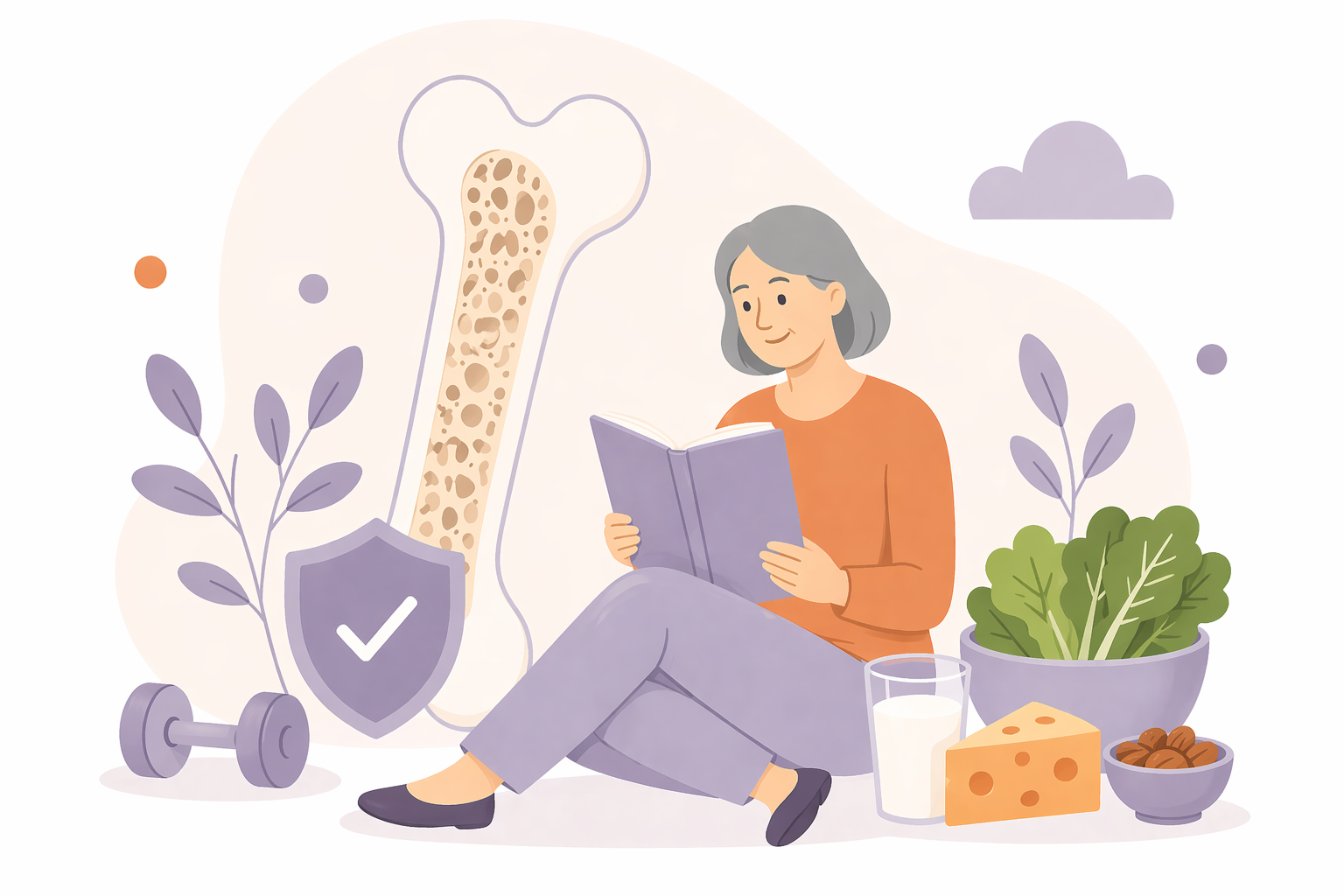
Tools to Support Your PMR Journey
Explore additional tools and resources designed to help you stay informed, organized, and proactive in your care.

PatientSpot
Track symptoms, treatments, and how you’re feeling over time. PatientSpot helps you create reports you can share with your doctor.
Get PatientSpot
Stay Connected
Join our mailing list for PMR resources, tips, and educational materials delivered straight to your inbox.
Join Mailing List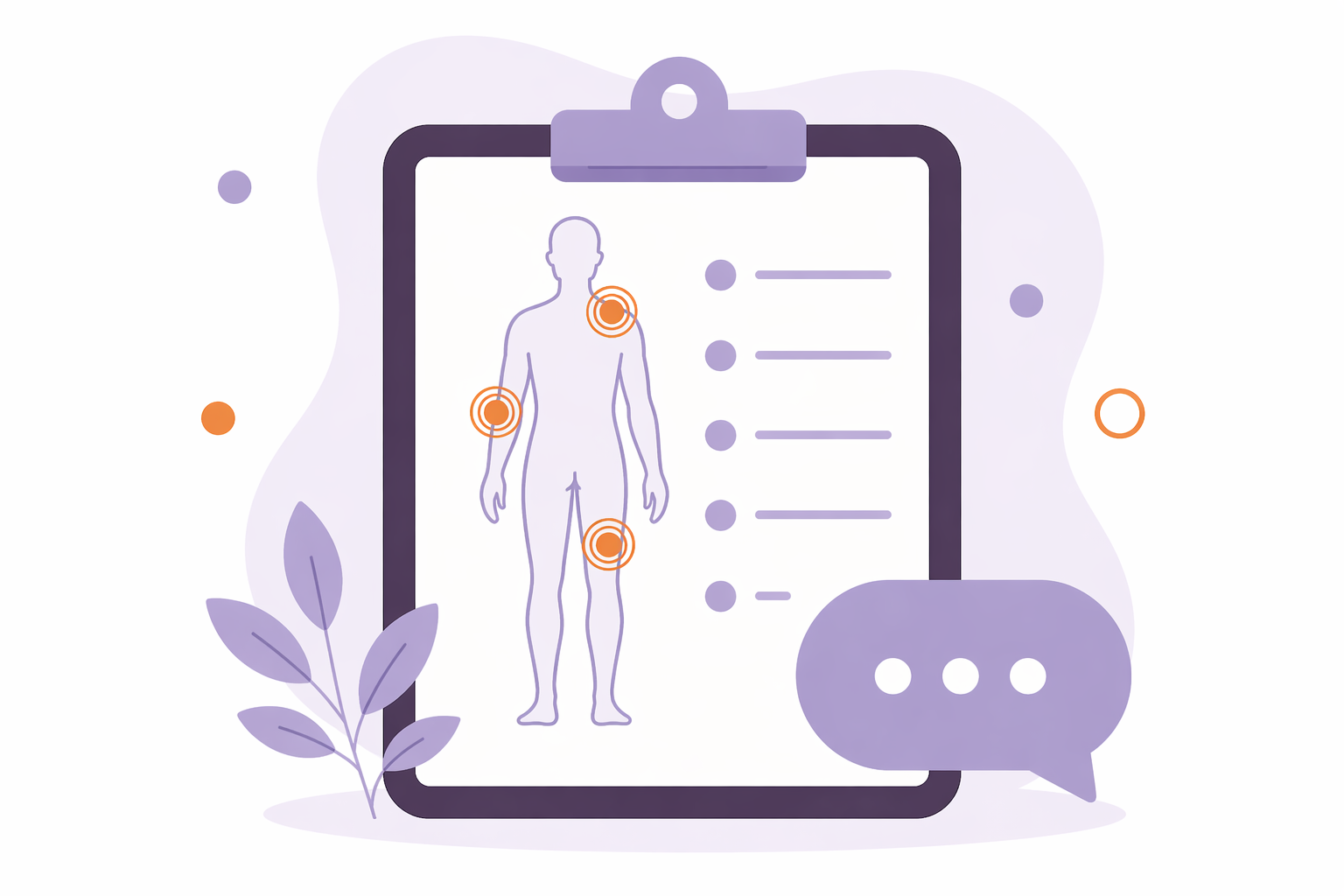
PainSpot
PainSpot can help you identify possible causes of pain and prepare for more productive conversations with your doctor.
Visit PainSpotHelp Us Improve This Resource
Answer two quick questions to help us understand what was useful and what PMR resources you'd like to see next.